YAMAHA 1W5-11610-30-00 Piston Rings .75 3RD
fits model: 250, 400. make: Yamaha. year: 1977–1982.
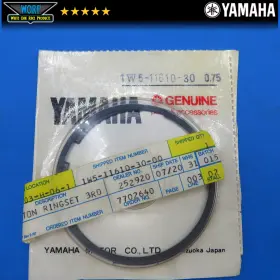
( Manufacturer Part Number: 1W5-11610-30-00 ), ( Type: Engine Rings Bike )
Review YAMAHA New Oem It Piston Rings .75 3rd Over fits 250 400 1977–1982
The Yamaha 1W5-11610-30-00 piston rings are specifically designed for use in Yamaha outboard engines produced between 1977 and 1982, with a displacement of 250cc and a compression ratio of 4.0:1. These piston rings are intended for the third piston, which is the one located in the middle of a four-cylinder engine.
These piston rings are precision-engineered to ensure a perfect seal between the piston and the cylinder wall, preventing the loss of compression and combustion gases. The rings are made of a high-quality, heat-resistant material that can withstand the extreme temperatures and pressures generated during engine operation. The rings feature a unique design that includes a compression ring, an oil control ring, and a groove ring.
The compression ring is responsible for sealing the combustion chamber and transmitting the combustion pressure to the crankshaft. It is designed to provide optimal compression and efficient power transfer. The oil control ring, on the other hand, helps to control oil consumption and prevent oil from leaking into the combustion chamber. The groove ring is located at the bottom of the piston and helps to scrape any excess oil from the cylinder walls as the piston moves up and down.
These piston rings are manufactured to strict tolerances to ensure a proper fit and function. They are also designed to be durable and long-lasting, providing excellent performance and reliability in even the most demanding conditions.
When installing these piston rings, it is essential to follow the manufacturer's instructions carefully to ensure proper installation and prevent damage to the engine. It is also recommended to use a piston ring compressor or a set of ring compressors to properly compress the rings during installation.
Overall, the Yamaha 1W5-11610-30-00 piston rings are a critical component of Yamaha outboard engines produced between 1977 and 1982 with a displacement of 250cc and a compression ratio of 4.0:1. They ensure a tight seal between the piston and the cylinder wall, prevent oil leaks, and help to maximize engine performance and efficiency.
Buying Yamaha 1W5-11610-30-00 1977-1982 250-400 Piston Rings: A Detailed Analysis
1. Pros:a. OEM (Original Equipment Manufacturer) Part: These piston rings are manufactured by Yamaha, ensuring a perfect fit and compatibility with your engine.
b. Improved Engine Performance: New piston rings can help improve combustion efficiency, reduce engine wear, and enhance overall engine performance.
c. Durability: Yamaha's reputation for quality and durability extends to their piston rings, which can last longer than aftermarket alternatives.
d. Reduced Engine Noise: Worn or damaged piston rings can cause excessive engine noise. New piston rings can help reduce this noise and improve the overall riding experience.
2. Cons:a. Cost: OEM piston rings can be more expensive compared to aftermarket alternatives. However, the long-term benefits, such as improved engine performance and durability, may justify the cost.
b. Availability: Depending on the specific model and year of your Yamaha motorcycle, it may be challenging to find these piston rings at your local dealership or auto parts store.
c. Installation: Installing piston rings can be a complex process, especially if you're not experienced in engine work. It's recommended to have this work done by a professional mechanic.
Conclusion:Considering the pros and cons, purchasing Yamaha 1W5-11610-30-00 1977-1982 250-400 piston rings can offer numerous benefits, such as improved engine performance, durability, and reduced engine noise. However, the cost and availability may be drawbacks for some. Ultimately, the decision to buy these piston rings depends on your budget, engine condition, and personal preference.
Recommendation:If you're looking for high-quality piston rings for your Yamaha motorcycle and prioritize the benefits of OEM parts, then purchasing Yamaha 1W5-11610-30-00 1977-1982 250-400 piston rings is a recommended choice. However, if cost is a concern, consider researching aftermarket alternatives and consulting with a professional mechanic to determine the best option for your specific situation.
Details:
part #: 1w5116103000 prices
- $49.99-$67.39
specifications pistondon:
- for models: 250, 400
- for makes: Yamaha
- for years: 1977-1982
- mpn: 1w5-11610-30-00
- type: Engine Rings Bike
returns pistondon:
- paid by: Buyer
- time: 30 Days
- policy: Returns Accepted
offer pistondon:
- sold: 0
- availability: In Stock
- started: March 15, 2025
- quantity: 1
- options: Ship-to-home
payments pistondon:
- wallet: Paypal
- credit card: Mastercard
- other
seller pistondon:
- city: Lake Havasu City, Arizona
- # reviews: 30474
- rating: 99.4%
general pistondon:
- condition: New
- Motorcycle Scooter Parts Accessories > Engines Engine Parts > Pistons, Rings Piston Kits
shipping pistondon:
- service: USPS Ground Advantage
- type: Fixed
- transit: 6-12 Days
- cost: $4.99
- carrier: USPS
- class: Standard
Yamaha 1W5-11610-30-00 Is Similar To:
- Yamaha 2s2-11311-10-00 2009 Yz450f Top End Cylinder Works With Piston E4 (36.2% similar) Came off 09 YZ450F...(May 15th, 2024)
- Yamaha 5ks-11311-00-00 2001 00-03 Vstar 1100 Xvs1100 Classic Piston Cylinder Barrel Front Rear (38.6% similar) Office use: Lr-KB 01VSTAR1100-001766...(May 15th, 2024)
- Yamaha 1wg 11631-01-00 1989-1990 Fzr400 Oem Piston And Rings 1wg-11631-01-00 (48.4% similar) 55.945MM-55.960MM. Very good condition lightly used oem piston and ring set for 1988 -1990 yamaha FZR400 motorcycle.piston within factory specs...(May 15th, 2024)
- Yamaha 4xv-11631-10-00 2002 02-03 Yzfr1 R1 Engine Motor Piston Lot (39.2% similar) Office use: Lr-DH 02YAMAHAR1-000084...(May 25th, 2024)
- Yamaha 13s-11631-00-00 08-16 Yzf R6 R6r Engine Motor Block Pistons Piston Set 09 10 11 12 13 14 (37.2% similar) Not to mention. Any other shipping preferences aka: FedEx, ups, USPS must be quoted through us. B line motor sports. Have concerns about an order. All parts are backed by our 100% working guarantee or your money back. Don't see an item you are looking for. Please do your research...(June 1st, 2024)
- Yamaha 5jw-11631-00-00 2009 06-12 Fjr1300 Engine Motor Piston Lot (40.8% similar) Office use: Lr-DH 09YAMAHAFJR1300-006151...(June 1st, 2024)
- Yamaha 4mm-11311-01-00 1998 97-07 Yzf600r Yzf600 Thundercat Cylinder Barrel Jug Piston Engine (42.4% similar) Office use: Lr-DH 98YAMAHAYZF600R-002793...(June 3rd, 2024)
- Yamaha 14b-11311-00-00 2009 09-14 R1 Yzfr1 Cylinder Barrel Jug Piston Engine Motor Oem (42.9% similar) Office use: Lr-DH 09YAMAHAYZFR1-003524...(June 4th, 2024)
- Yamaha 1fk-11650-01-00 2004 Vmax 1200 Engine Motor Block Piston Connecting Rod (45.2% similar) R r cycle parts. 2004 yamaha Max 1200 engine motor block piston 1FK-11650-01- this piston is in good condition and shows normal signs of wear. Removed from: 2004 yamaha Max 1200 with 35,972 miles, please review all pictures to assess the condition of item...(June 4th, 2024)
- Yamaha 2ms-e1631-00-00 2017 15-18 Yzfr3 R3 Cylinder Barrel Jug Piston Engine Motor Oem (47.9% similar) Office use: Lr-DH 17YAMAHAR3-002349...(June 4th, 2024)
- Yamaha 14b-11631-00-00 09-14 R1 Yzf1000 Piston Oem (53.5% similar) With 19,858 miles, 09-14 yamaha r1 YZF1000 piston oem 14B-11631-00-00: pulled from a good running bike ready to use as shown in photos. Pulled from a 2013 yamaha R1...(June 6th, 2024)